


The Science of Recovery: Why Rest Is the Missing Piece of Better Health
In conversations about health and fitness, attention is usually directed toward exercise routines, nutrition plans, and physical transformation goals while one of the most important variables often receives far less attention than it deserves. Recovery plays a central role in how the body adapts, repairs, and improves over time, yet many individuals continue to believe that progress depends entirely on doing more rather than recovering better. Modern lifestyles frequently encourage constant activity, extended work hours, reduced sleep quality, and overstimulation that place continuous pressure on physical and mental systems. As a result, people may experience declining energy, reduced performance, inconsistent motivation, and difficulty maintaining healthy routines even when they appear to be making positive choices. Understanding recovery as an active and intentional process creates a more complete and sustainable approach to long-term wellness.
At BodyActiveFitness, we view recovery as a performance multiplier rather than a passive break from progress. Rest does not mean avoiding goals or losing momentum but instead creates the conditions necessary for meaningful improvement to occur. The body relies on periods of restoration to regulate stress responses, support tissue repair, maintain hormonal balance, and prepare for future demands. Whether someone is pursuing weight management, improved fitness, stronger focus, or better overall wellbeing, recovery habits influence outcomes more than many people realize. Building a healthier lifestyle requires balancing effort with restoration instead of treating recovery as something optional.
Progress is created during effort, but improvement happens during recovery.
Why Sleep Influences Every Health Goal
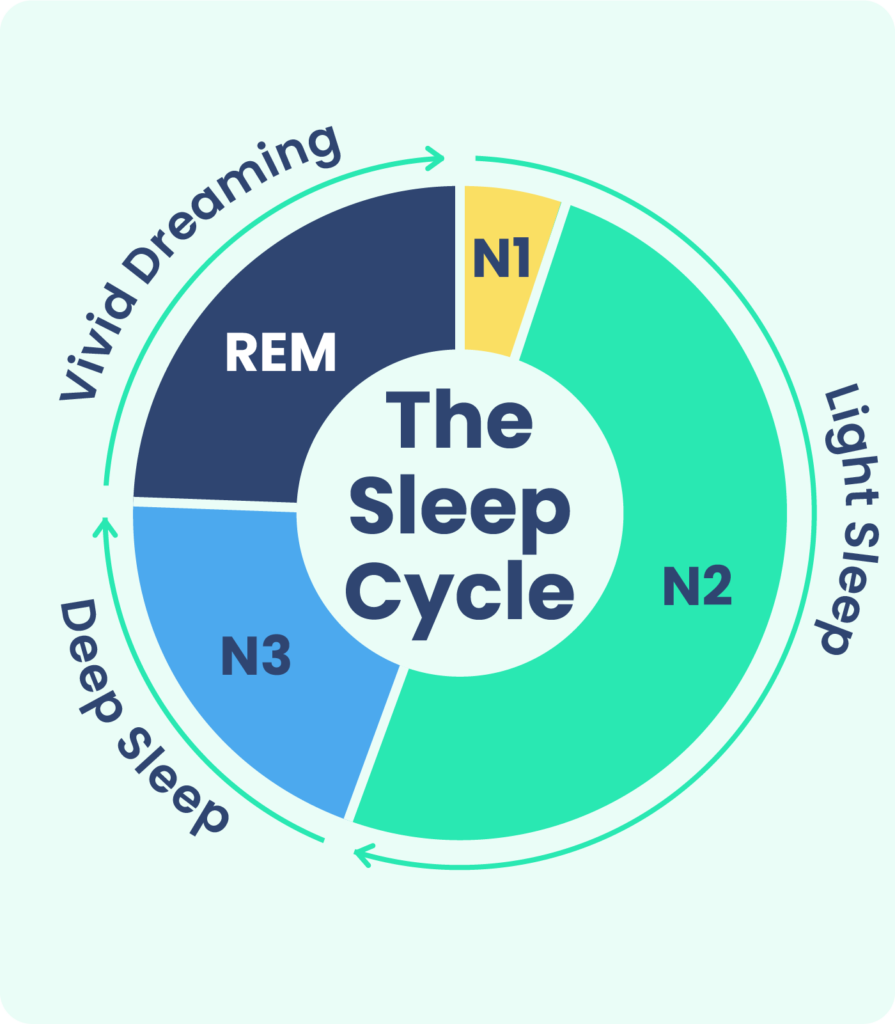
Sleep is one of the most underestimated components of overall health despite influencing nearly every major biological system involved in performance and recovery. During quality sleep, the body supports muscle repair, regulates energy balance, consolidates memory, and restores mental capacity after daily demands. Insufficient or inconsistent sleep may reduce concentration, affect mood stability, increase fatigue, and create barriers that make healthy choices more difficult throughout the day. Individuals often attempt to compensate for poor rest through increased stimulation or stricter routines, yet these adjustments rarely replace the restorative functions that proper sleep provides. Improving sleep quality may support stronger consistency in exercise, better eating habits, and improved overall wellness outcomes.
Developing better sleep habits does not always require dramatic lifestyle changes but often begins with small and repeatable adjustments. Consistent sleep timing, reduced late-night stimulation, improved evening routines, and creating a calmer environment may contribute to healthier recovery patterns over time. Many individuals discover that improving recovery creates visible improvements in energy and motivation even before changing more advanced areas of their health routine. Sleep becomes most effective when treated as a foundation rather than a reward after productivity.
Recovery Beyond Sleep and Physical Rest
Recovery extends far beyond sleeping longer or taking occasional breaks from exercise. Daily stress, decision fatigue, emotional demands, and digital overload all influence the body’s ability to restore balance and maintain performance. Mental recovery and physical recovery often work together, meaning that individuals may still feel exhausted even after rest if other forms of recovery remain neglected. Practices such as hydration, movement variation, outdoor time, mindfulness, and structured downtime can support a healthier balance between effort and restoration. Creating intentional recovery habits helps prevent burnout and allows healthier routines to remain sustainable over longer periods.
A common challenge is that recovery activities may appear less productive than visible effort, even though they contribute significantly to long-term outcomes. People often underestimate how much quality recovery supports consistency and resilience during demanding periods. Sustainable health rarely comes from maximizing intensity every day and instead develops through balanced cycles that allow growth while reducing unnecessary strain. Learning to value recovery creates healthier expectations and more realistic approaches to personal wellbeing.
Building a Sustainable Recovery Routine
Creating a recovery-focused lifestyle does not require complicated systems, expensive equipment, or highly structured protocols that feel difficult to maintain over time. In most cases, meaningful improvements begin with simple daily choices that reduce unnecessary stress and create better conditions for physical and mental restoration. Individuals often benefit more from consistency than intensity by introducing habits that gradually improve overall recovery capacity across weeks and months rather than expecting immediate results. Consistent hydration, adequate sleep, balanced movement, structured downtime, intentional breaks, reduced digital overload, and healthier evening routines can collectively support stronger recovery patterns and more stable energy levels throughout the day. These practices help create an environment where healthier decisions become easier to sustain and less dependent on short-term motivation or changing circumstances. Recovery becomes more effective when it is treated as a regular component of wellbeing rather than an occasional response to exhaustion or burnout. Establishing small but repeatable habits allows individuals to create systems that support long-term health without creating unnecessary pressure or unrealistic expectations.
Long-term success is often determined not only by the effort invested during periods of peak performance but also by how effectively recovery supports adaptation between those periods. Sustainable progress develops when individuals recognize that growth requires both challenge and restoration working together instead of competing against each other. People who consistently recover well frequently experience stronger energy levels, improved focus, greater consistency, and more balanced physical performance across different areas of life. Recovery should not be viewed as slowing down or reducing ambition but as creating the conditions necessary for meaningful improvement and long-term sustainability. When recovery becomes part of everyday routines, healthier behaviors become easier to maintain and less vulnerable to stress, fatigue, or changing schedules. Over time, these recovery systems contribute not only to better physical outcomes but also to improved resilience, emotional balance, and overall quality of life.
Conclusion
Recovery remains one of the most overlooked yet influential components of modern health and wellness despite its direct impact on physical performance, energy management, mental clarity, and long-term sustainability. Many individuals spend significant time optimizing exercise routines and nutrition strategies while underestimating the value of restorative habits that support progress behind the scenes. When people begin to view rest, sleep, and recovery as active contributors rather than passive breaks, healthier routines often become easier to maintain and significantly more effective over time. Balanced recovery supports stronger adaptation, more consistent performance, improved wellbeing, and a healthier relationship with long-term progress. Rather than focusing exclusively on doing more, individuals may benefit from creating systems that help them recover better and sustain healthier habits over longer periods.
BodyActiveFitness encourages a broader understanding of wellness that values not only movement and nutrition but also the routines and behaviors that allow the body and mind to restore and perform effectively. Better health is rarely created through intensity alone and instead develops through balanced choices that support effort, recovery, and consistency together. By building practical routines that prioritize restoration alongside daily activity, individuals can create healthier lifestyles that remain sustainable across changing goals, responsibilities, and stages of life. Long-term wellbeing is ultimately shaped by the actions repeated consistently, and recovery deserves to be recognized as one of the foundations that makes lasting progress possible.